

Richmond, CA Project
RICHMOND PROJECT OVERVIEW
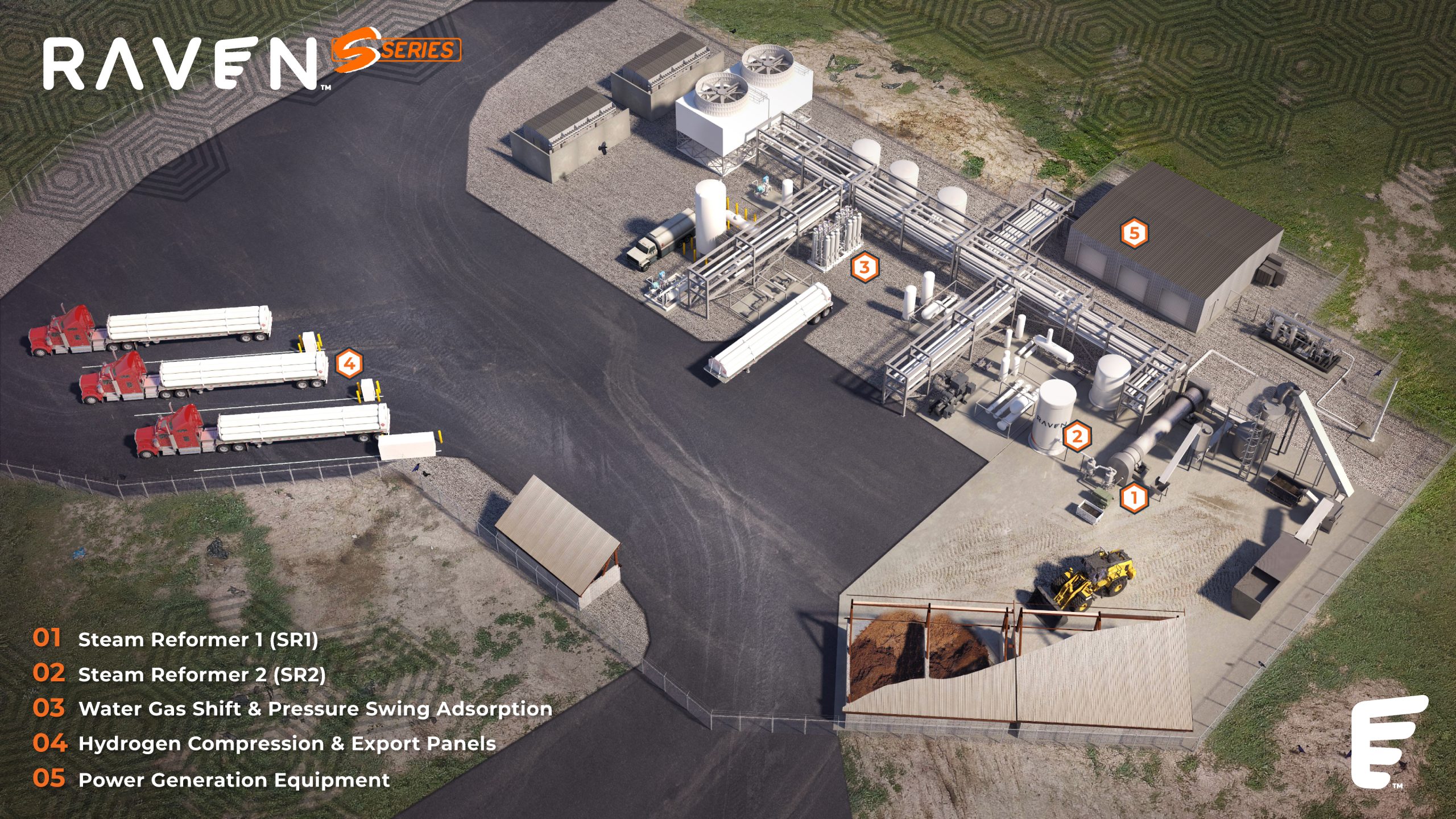
Raven SR will be converting organic waste, using its patented non-combustion process, to produce 6,500 kgs of renewable hydrogen daily, or 2,242 MT annually.
The facility will be located at the closed West Contra Costa Sanitary Landfill operated by Republic Services. Organic waste from within the landfill will be delivered daily to the Raven site for processing.
The hydrogen produced at Richmond is designated for fueling stations in Northern California for use in passenger and heavy-duty fuel cell vehicles.
The hydrogen produced will not be stored on site, it will be picked up daily by Raven’s commercial customers and delivered to fueling stations throughout the region.
The footprint of the facility, which is within the fence line of the closed landfill, will be approximately 2 acres with structures no more than two stories high. Sound from the processing will be approximately 75 decibels – about the sound of a cell phone at 10 feet.
Raven’s plant will generate 60 percent of its power onsite by using methane gas from the landfill. This will reduce both methane emissions and electricity demand from the grid.
HOW RICHMOND BENEFITS
Richmond is moving forward in 2026—with cleaner air, less waste, renewable fuels, and a healthier future for the community.
Raven SR’s new organic waste-to-hydrogen facility will turn everyday organic waste into clean hydrogen fuel, reducing pollution, waste, and reliance on fossil fuels. Your waste becomes a solution for cleaner air and renewable fuel! Because our process is non-combustion, the air is cleaner, and families across Richmond can breathe easier. Here’s a quick look at the benefits coming your way.
Cleaner Air:
- The Health Risk Assessment (HRA) completed for our California Environmental Quality Act (CEQA) and Condition Use Permit and our Bay Area Air Quality Management District (BAAQMD) air permit confirmed we will reduce emissions and health risks.
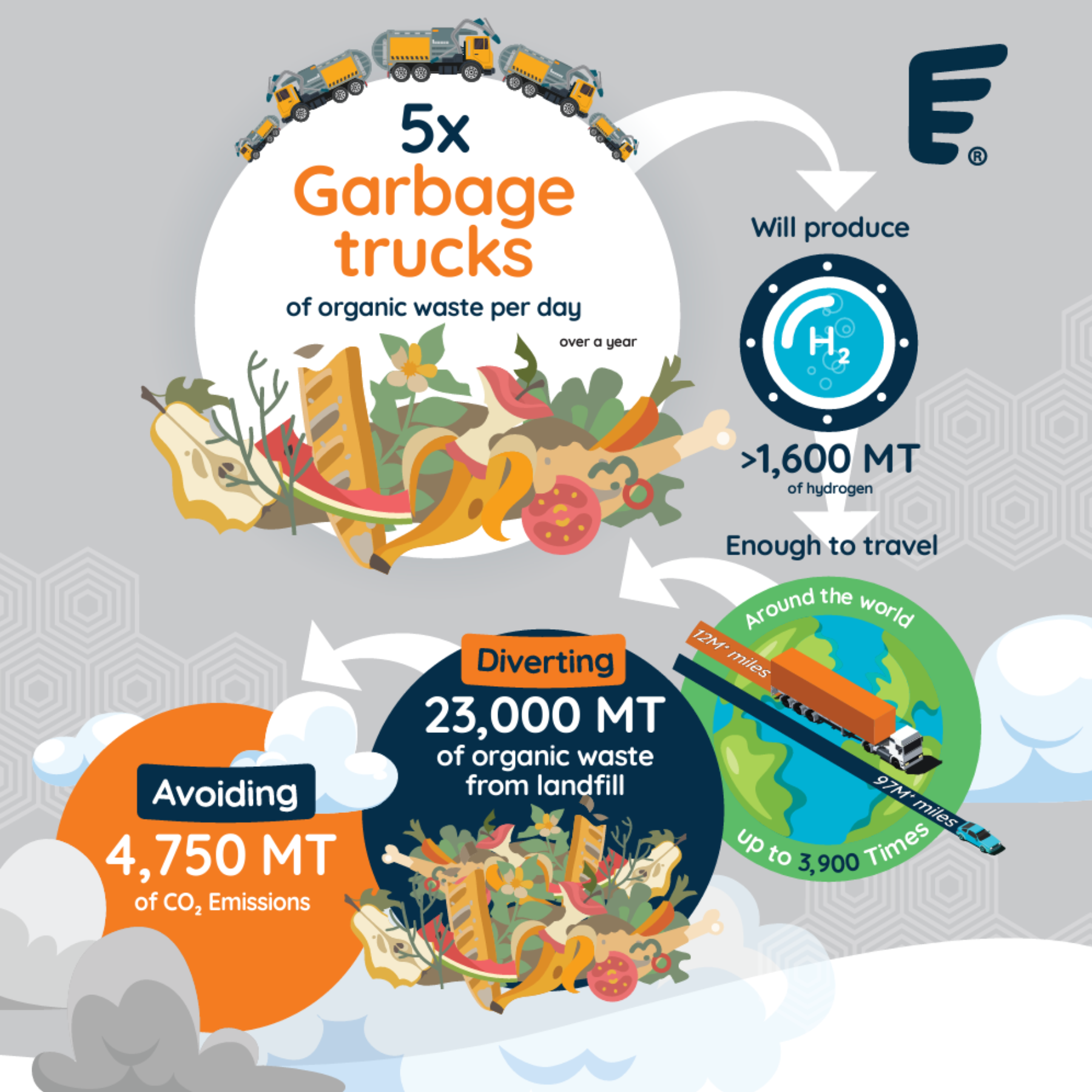
- By diverting 70 wet tons of organic waste per day, 7,245 tons of CO2e are avoided, which is equivalent to taking 1,600 gas-powered vehicles off the road for a year.
- Raven will use that waste to make approximately 2,242 metric tons of hydrogen annually, which can power a hydrogen fuel cell vehicle for 144 million miles. That’s 5,800 trips around the equator without any emissions!
- We will also be using the methane from the landfill to generate 60% of our power, reducing dependency on the grid. And we eliminate 5,440 tons of CO2e emissions from the landfill gas, which is equal to 585,124 gallons of gasoline.
Clean Renewable Fuels:
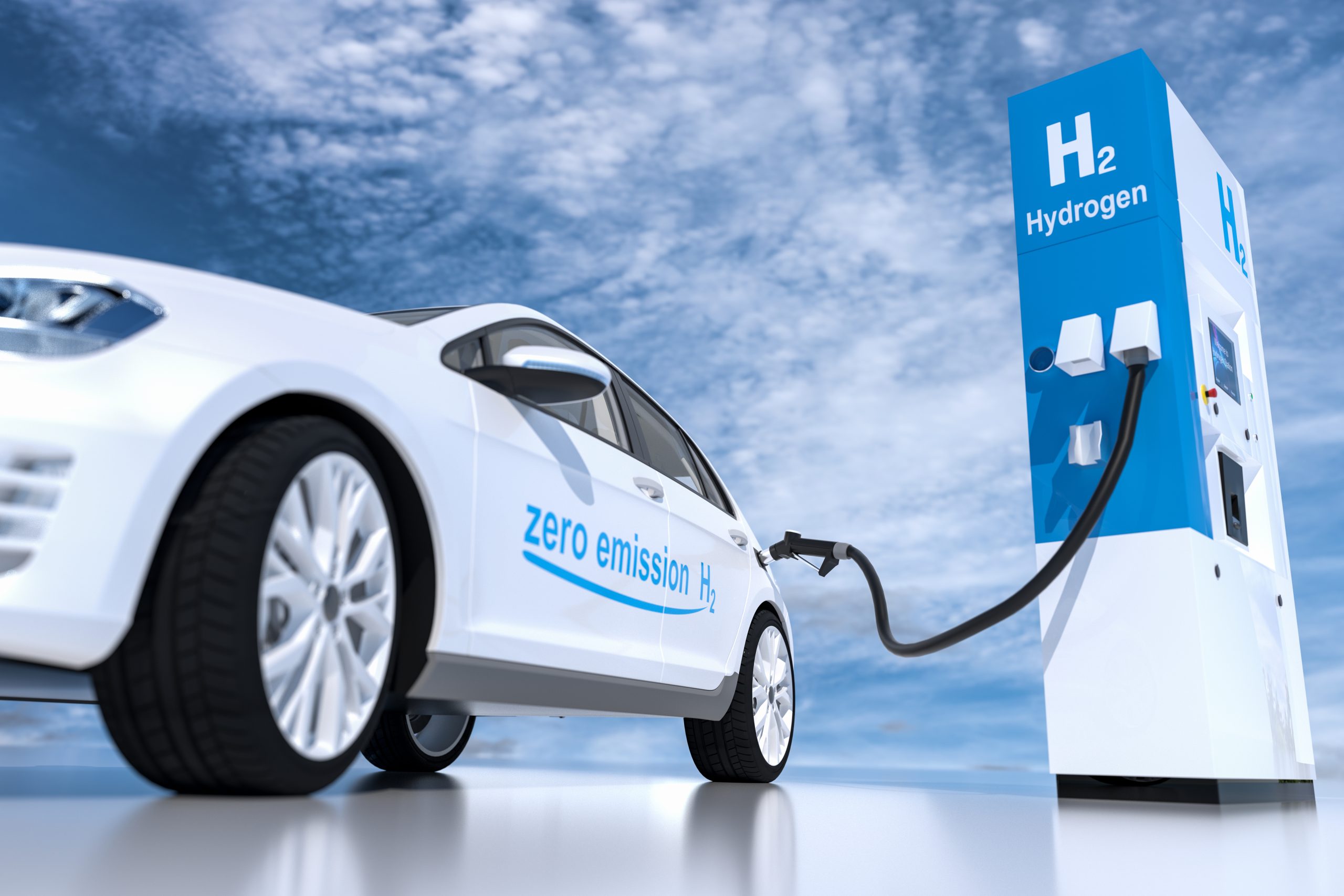
- Hydrogen fuels have zero emissions, which means no pollution. The only thing that comes out of a tailpipe is water!
- Zero-emission hydrogen can replace fossil fuels in commercial and passenger vehicles, as well as ferries, trains, and transit buses.
- Richmond will be a local, reliable source of renewable hydrogen fuel.
Jobs & Internships:
- 16 Full-time position (advanced degree not required)
- 100+ Construction jobs
- 60+ Ancillary jobs
- Scholarships and internships for the waste-to-renewable fuel industry
Local Economic Impact:
- Generates ~$12.5M/year in regional economic activity (2.08x multiplier), with $21–32M/year in taxable hydrogen sales fueling circular economy growth.
- $75M project investment
- Significant Richmond Art Fund contribution to support the arts in schools and throughout the community
- Job development (50+) at Benicia Fabrication & Machine where elements of Raven’s facility will be manufactured
- BFM economic development – expanding beyond refinery-focused business
Leading city in renewable fuels and technology:
- Positions Richmond as a forward-thinking community in renewable fuels development
- Increased economic development with visitors and media touring the production facility
- Increased media attention about the city’s focus on addressing climate change
HOW RAVEN SR CONVERTS WASTE TO HYDROGEN
Raven SR is a clean fuels company that converts waste – municipal solid waste, organic waste, and methane – into high-quality, clean hydrogen and Fischer-Tropsch synthetic fuels through our uniquely patented Steam/CO2 Reforming technology. Our process is non-combustion, producing fewer emissions, and we can process multiple and mixed wastes simultaneously. The clean, renewable fuels we create from this carbon-neutral conversion will reduce and eliminate vast amounts of waste contributing to greenhouse gases, pollution, and climate change.
Enjoy our video which explains the process!
WHAT IS HYDROGEN AND IS IT SAFE?
Hydrogen is a flammable gas, and like any fuel, it requires appropriate safety measures. But it also has several positive characteristics: it is non-toxic, lighter than air so it disperses quickly if it leaks, and it burns with low radiant heat.
For example, if a container of hydrogen and a container of gasoline were both ruptured and ignited, the hydrogen flame would quickly dissipate, while the gasoline would pool and burn near the container, causing much more damage. In addition, unlike fumes from gasoline or diesel, hydrogen does not add to ozone and is not toxic.
Hydrogen is also the most abundant and lightest element in the universe. It has the highest energy content of common fuels by weight—about three times more than diesel, natural gas, or bioethanol. It is extremely versatile: it can be used as a transportation fuel, transformed into electricity, applied for heating and cooling, and in a wide range of industrial processes.
The production, transport and industrial use of hydrogen are well established industries with long track records.
To avoid current common misconceptions about hydrogen, we encourage you to read Hydrogen safety: busting the myth that hydrogen is more dangerous than gas by Hydrogen Fuel News.
CARBON CAPTURE
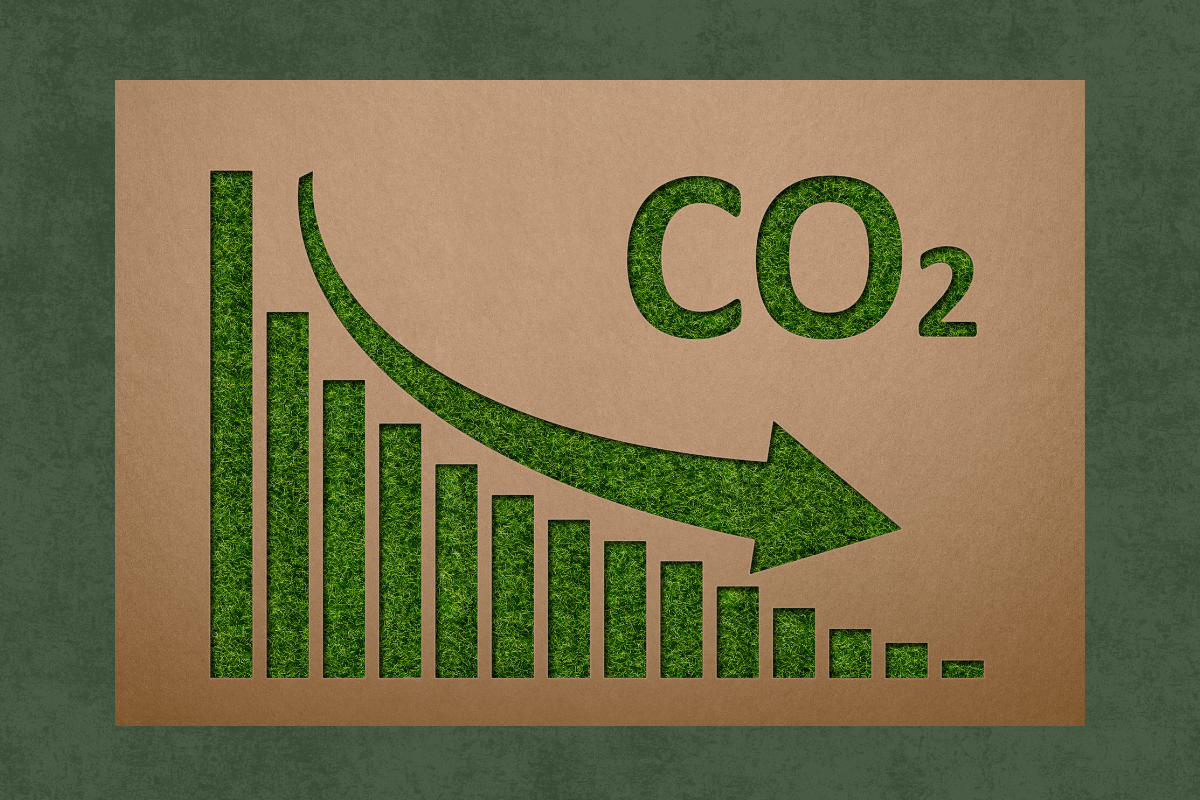
Looking ahead, Raven is working to capture or reuse CO₂ from the process, ensuring even greater climate benefits in the future. A unique element of Raven’s technology is that we recirculate a portion of the available CO2 from the process to optimize and tailor syngas production. The CO2-rich tail gas contains energy in the form of residual hydrogen from the gas separation process. The CO2 from the gas is a candidate for capture and sequestration, or for use in various industries like food and beverage or greenhouses. This tail gas can also be blended with other more energy-dense fuels and combusted for power production. As markets develop, Raven SR is working to develop and monetize this gas stream in the most environmentally benign way.
As seen in







- View coverage